Climate change, plastic pollution, urban heat, and biodiversity loss are only a few of the environmental challenges we are facing today, all of them systemic, interconnected, and urgent.
Addressing those challenges requires more than technological innovation or policy reform. It requires active societal participation. This is where citizen science comes in.
At alchemia-nova Greece, citizen science is not an add-on activity. It is a core methodology embedded in the European projects we participate in, namely REMEDIES and Cooling Havens. Through these initiatives, we work alongside citizens to generate data, test solutions, and co-design climate-resilient environments.
What is citizen science?
Citizen science refers to the active involvement of the public in scientific processes, from data collection and monitoring to co-creation, testing, and validation of solutions. Importantly, citizen science transforms people from passive observers into active contributors to climate action.
At a European level, citizen science is recognized as a driver of climate change mitigation and adaptation, uptake of Nature-based solutions (NBS), transitions to circular economy, protection of biodiversity and democratic participation in the Green Deal. Especially, under frameworks such as Horizon Europe, citizen engagement is embedded in research and innovation policy. By involving citizens directly, the EU aims to ensure that climate solutions are not only scientifically sound, but socially accepted, scalable, and impactful.
Citizen science in REMEDIES: Tackling plastic pollution together
A key pillar of the REMEDIES project is to engage citizens as environmental stewards and data contributors to reduce plastic waste and drive behaviour change. By involving communities directly, plastic pollution becomes a shared responsibility.
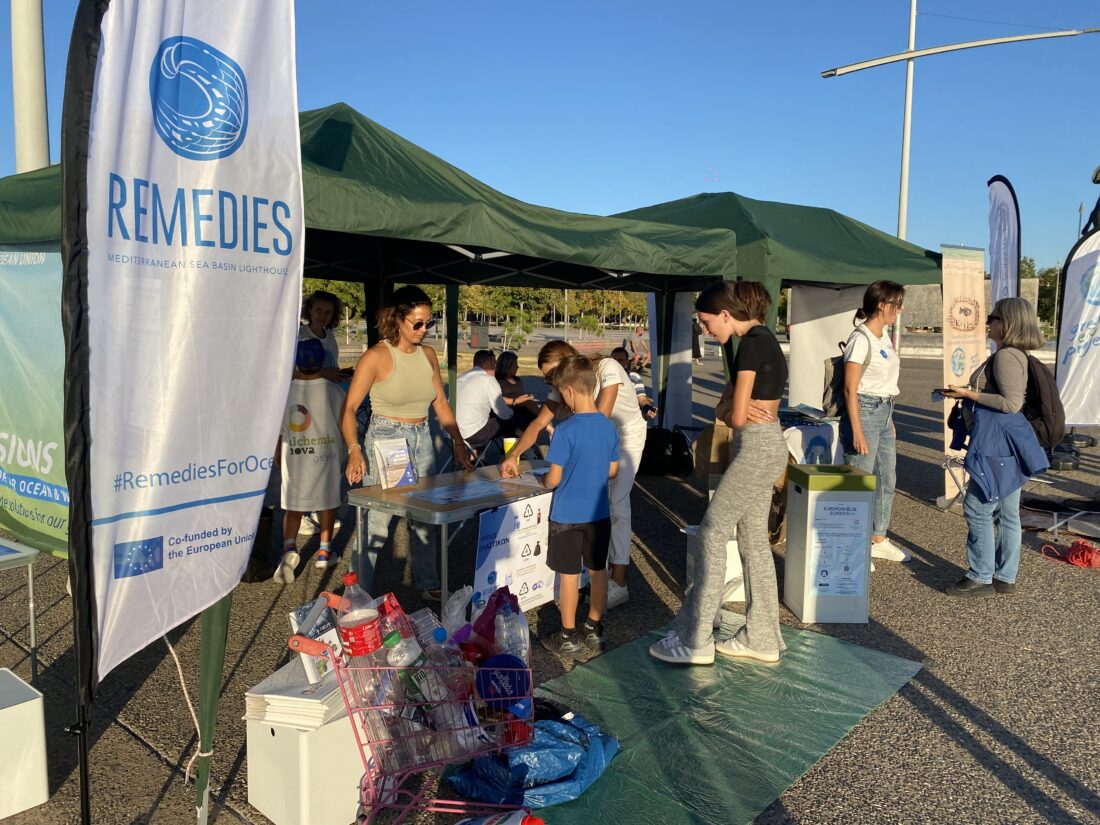
Through structured protocols and open-access tools, citizens participate in:
- Beach litter monitoring: Using standardized methodologies and digital applications, volunteers collect and categorize marine litter at the Shoreline Marine Litter App. The data contributes to a larger Mediterranean dataset, supporting evidence-based policymaking.
- Microplastics from washing machines: Citizens follow a scientific protocol to recover and quantify microfibers released from synthetic textiles during washing. This makes the invisible problem of microplastics measurable and relatable.
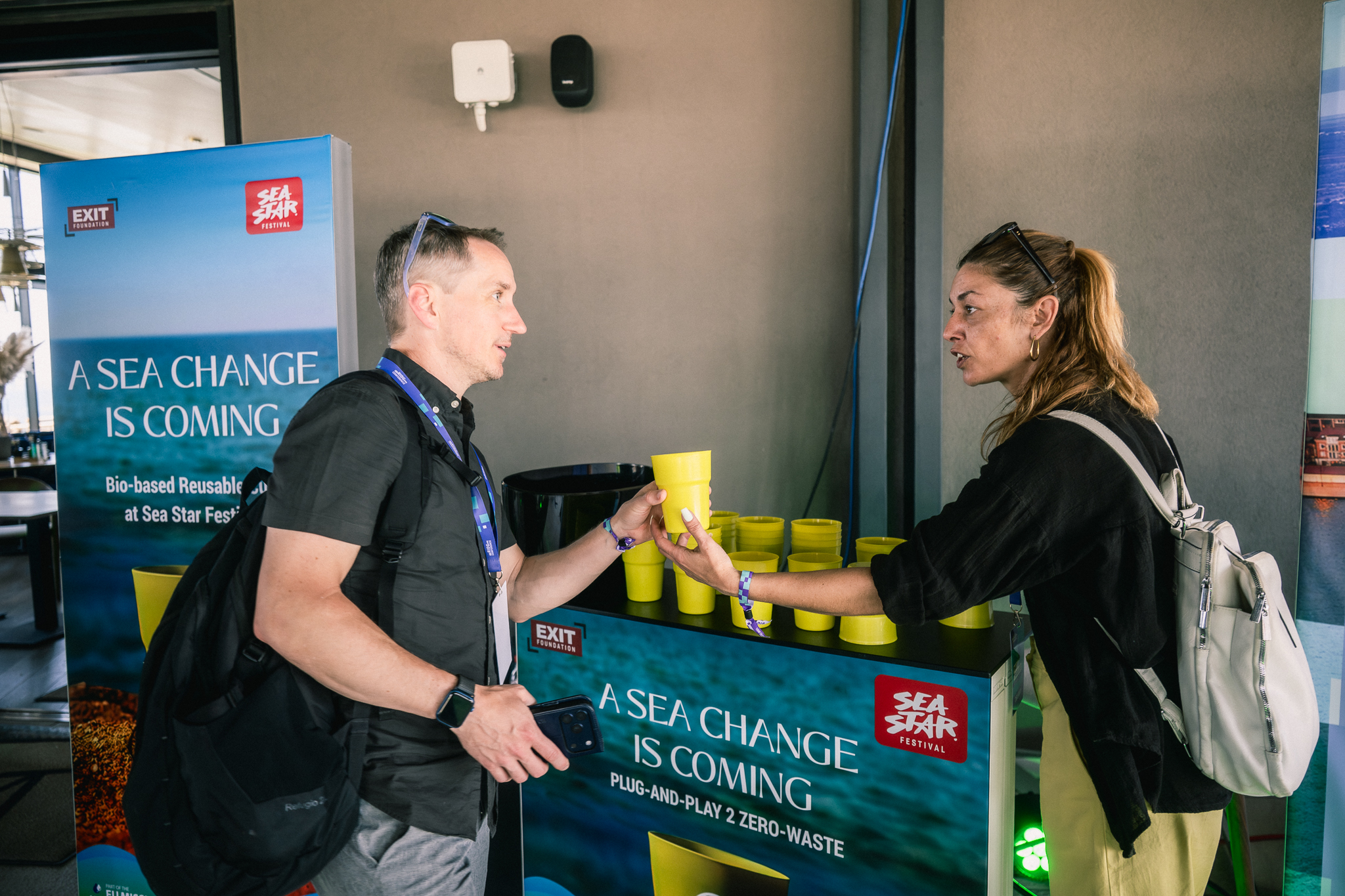
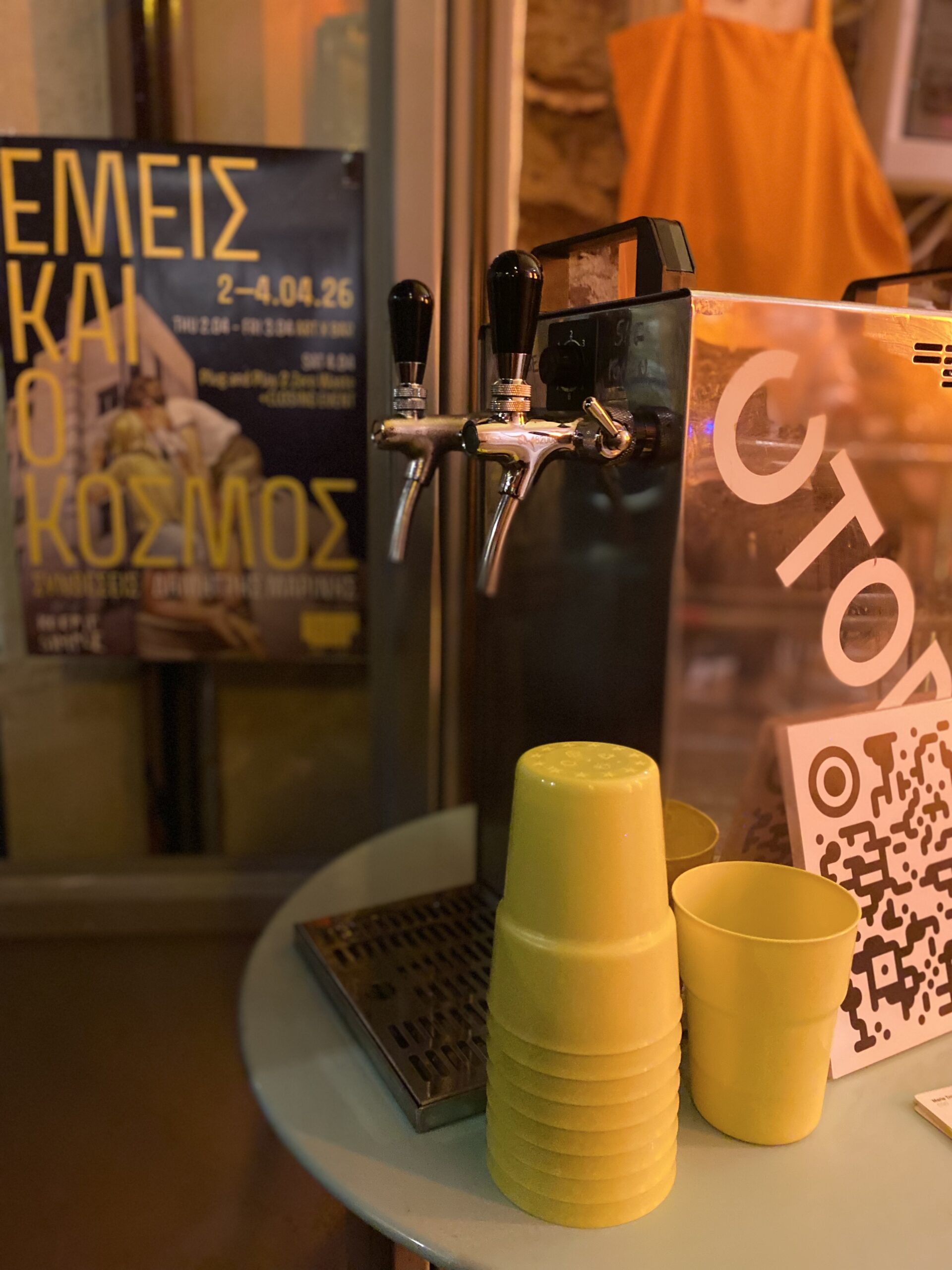
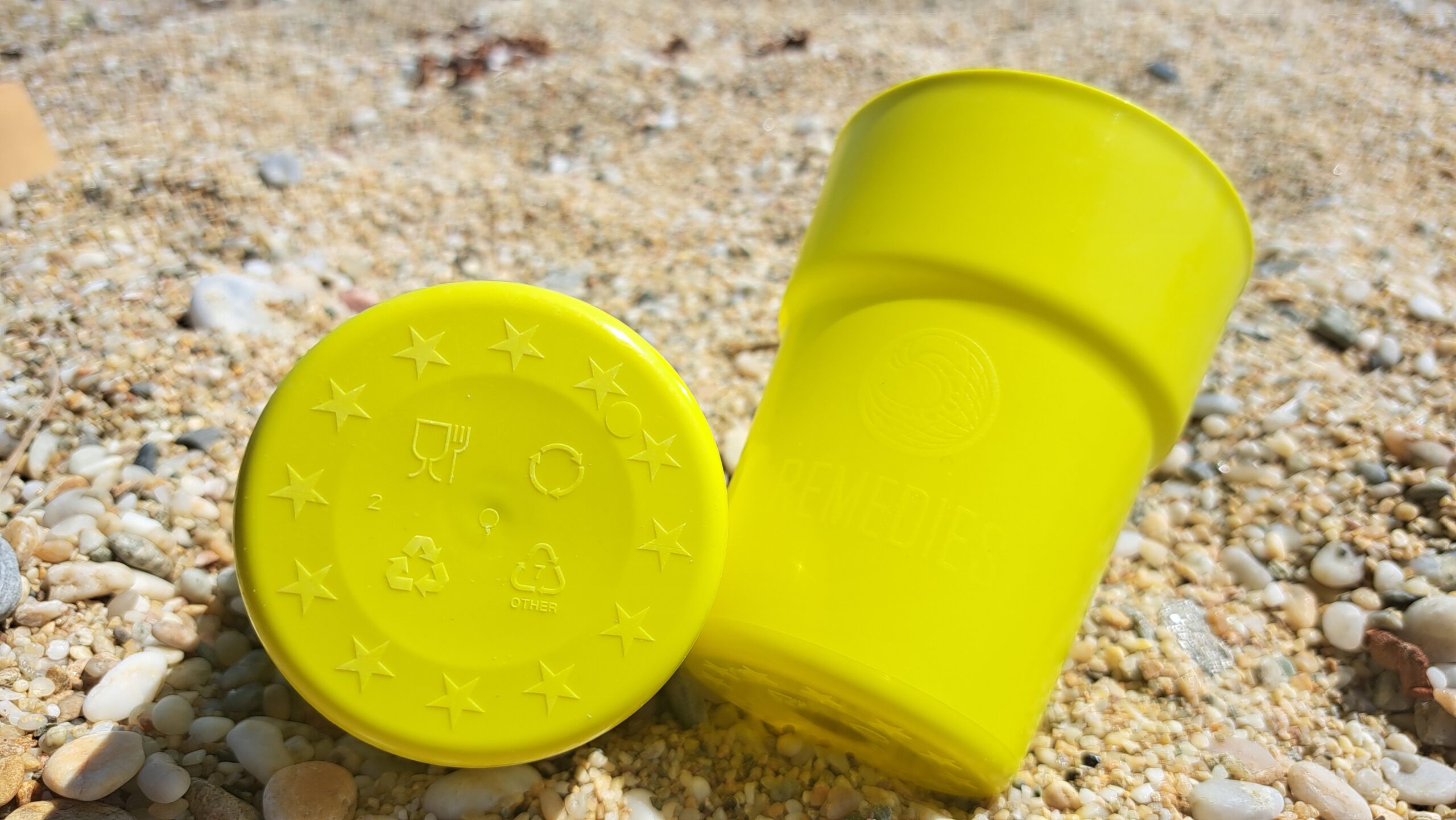
- Zero-waste innovation testing: In activities such as the Zero-Waste Seaweed Coatings for Cosmetics demonstrations, participants test biodegradable alternatives to single-use plastic packaging, while their feedback provides valuable insights into usability, acceptance, and behavioural change.
Citizen science in Cooling Havens: Co-designing urban microclimates
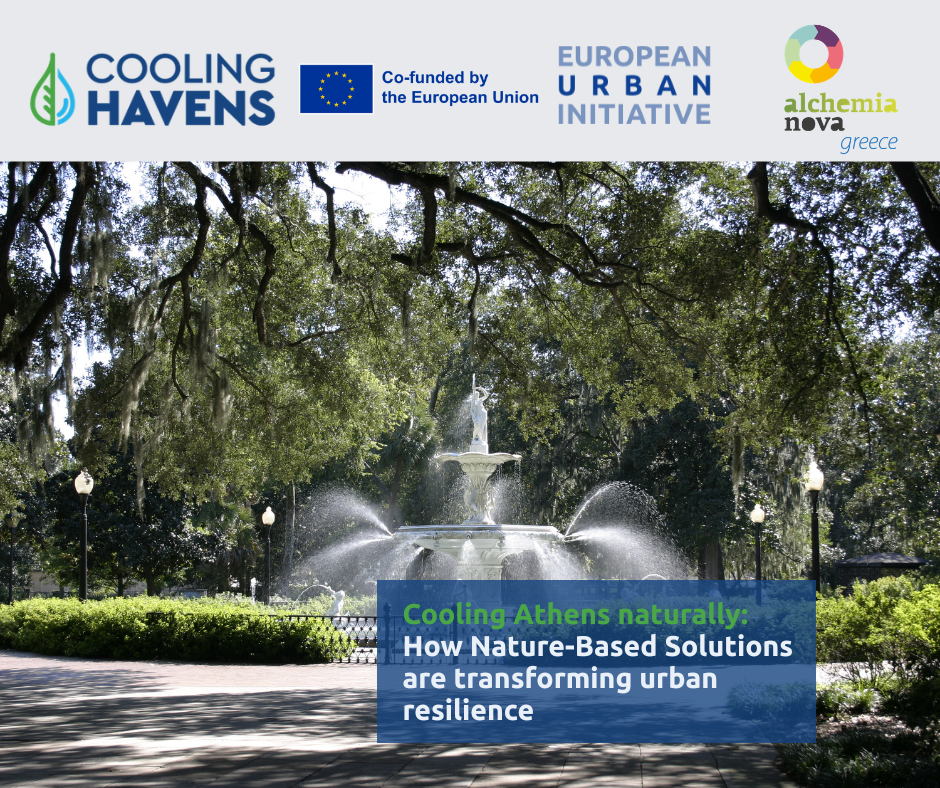
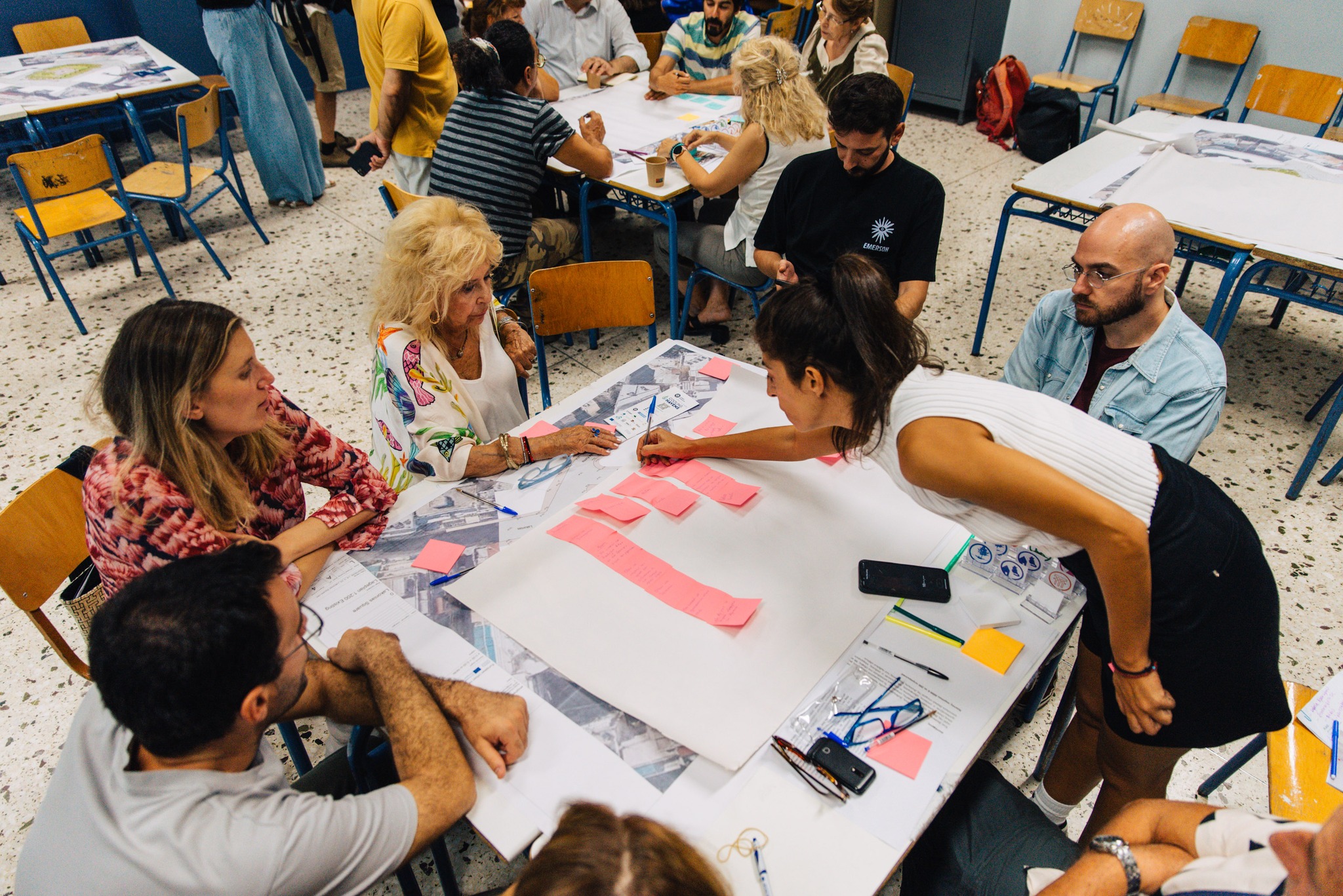
Climate adaptation in cities cannot succeed without local knowledge and public participation. Through Cooling Havens, we contribute to the creation of microclimatic refuges in Athens using blue and green infrastructure and nature-based solutions.
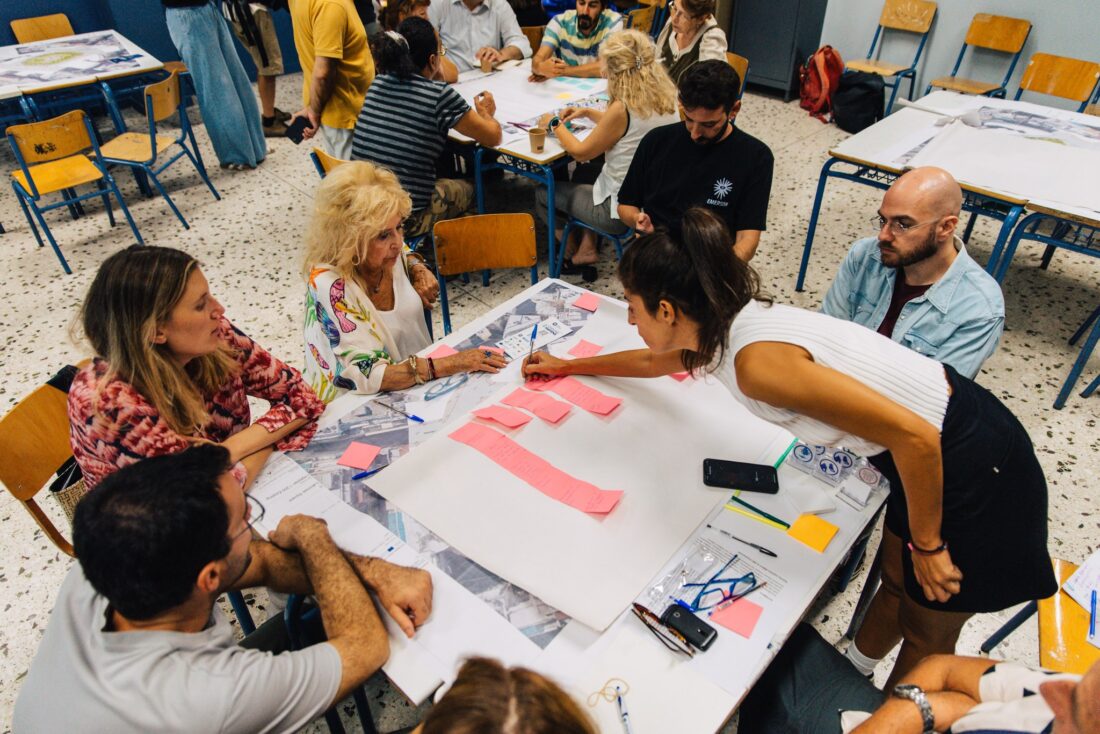
Residents are not simply “consulted.” They actively shape interventions that influence their daily comfort and wellbeing. This participatory model strengthens local ownership, social cohesion, long-term maintenance and viability of the new infrastructures and trust between municipalities and communities.
When climate adaptation is co-designed, it becomes embedded in everyday life.
From participation to transformation
Citizen science is more than data collection. It is a governance innovation. It empowers individuals to understand environmental systems, see the impact of their behaviour, contribute to building solutions, and influence local and European policy frameworks.
At alchemia-nova Greece, we view citizen science as a bridge connecting science, design, and everyday life.
Through projects like REMEDIES and Cooling Havens, we demonstrate that when citizens become collaborators, climate action becomes tangible, local, and transformative.
The environmental transition cannot be delivered to society. It must be built with society. And citizen science is one of the most powerful tools to make that happen.